
EDS & Hypermobility Workshop in Wellington: Understanding Your Body
EDS & Hypermobility Workshop in Wellington
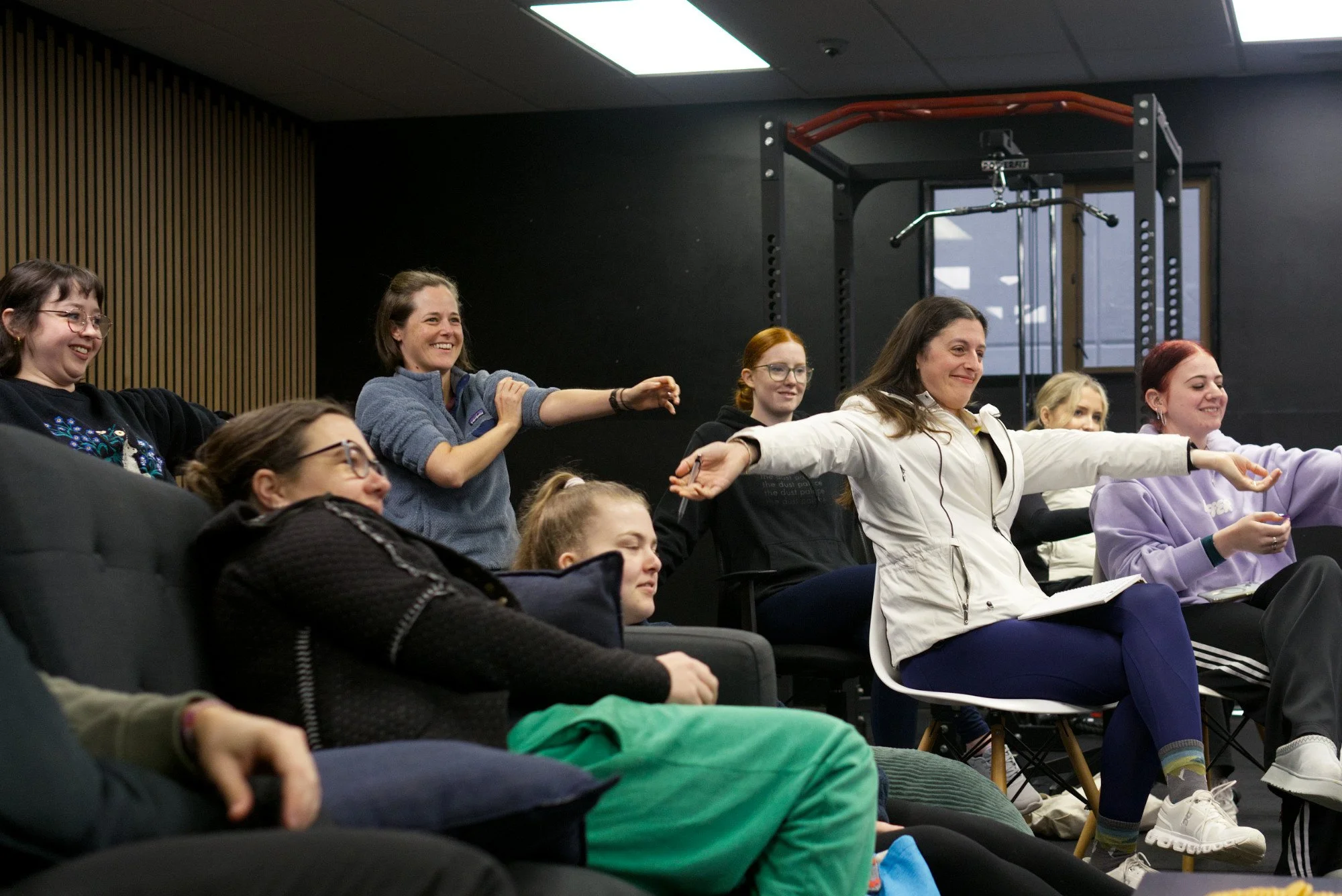
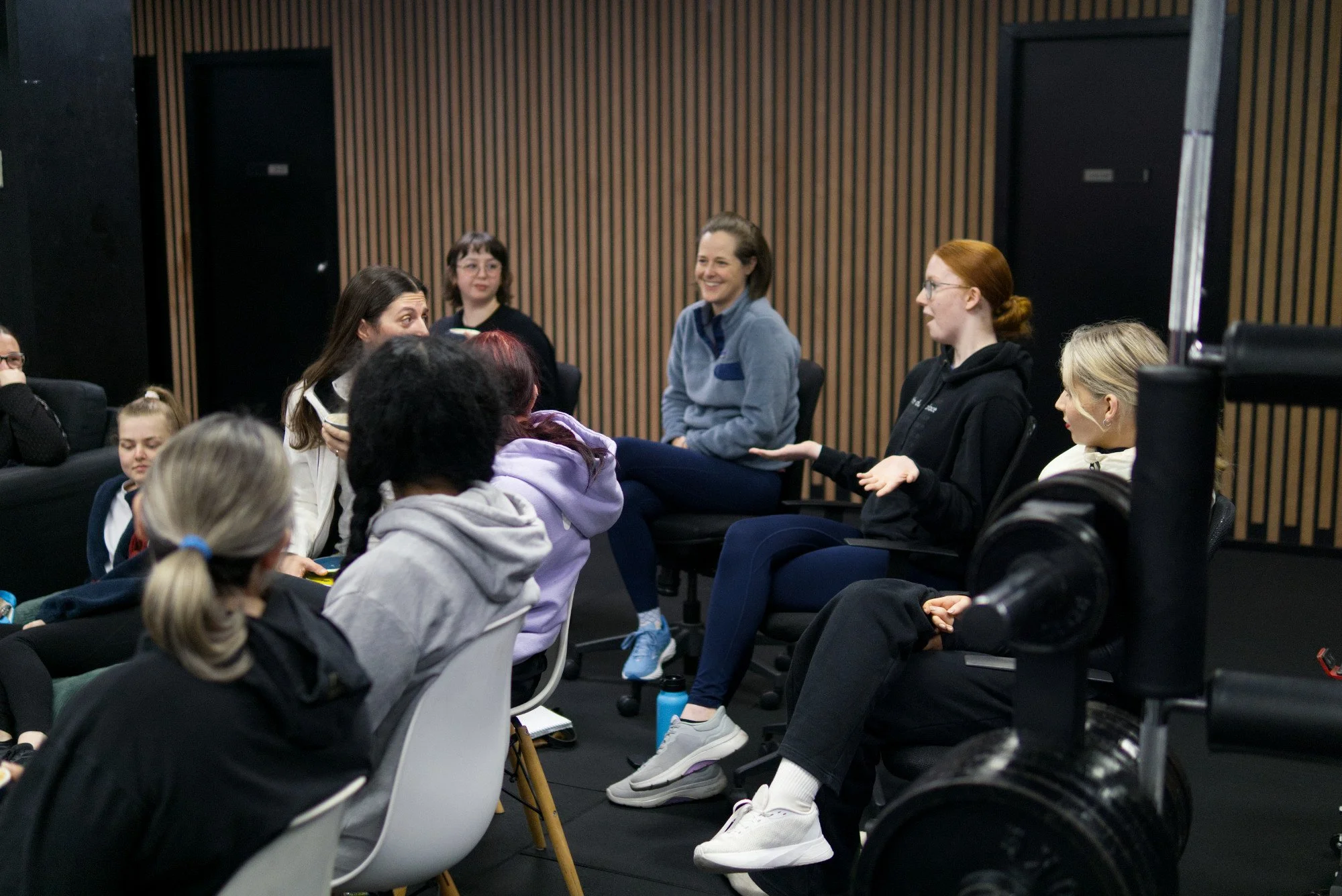
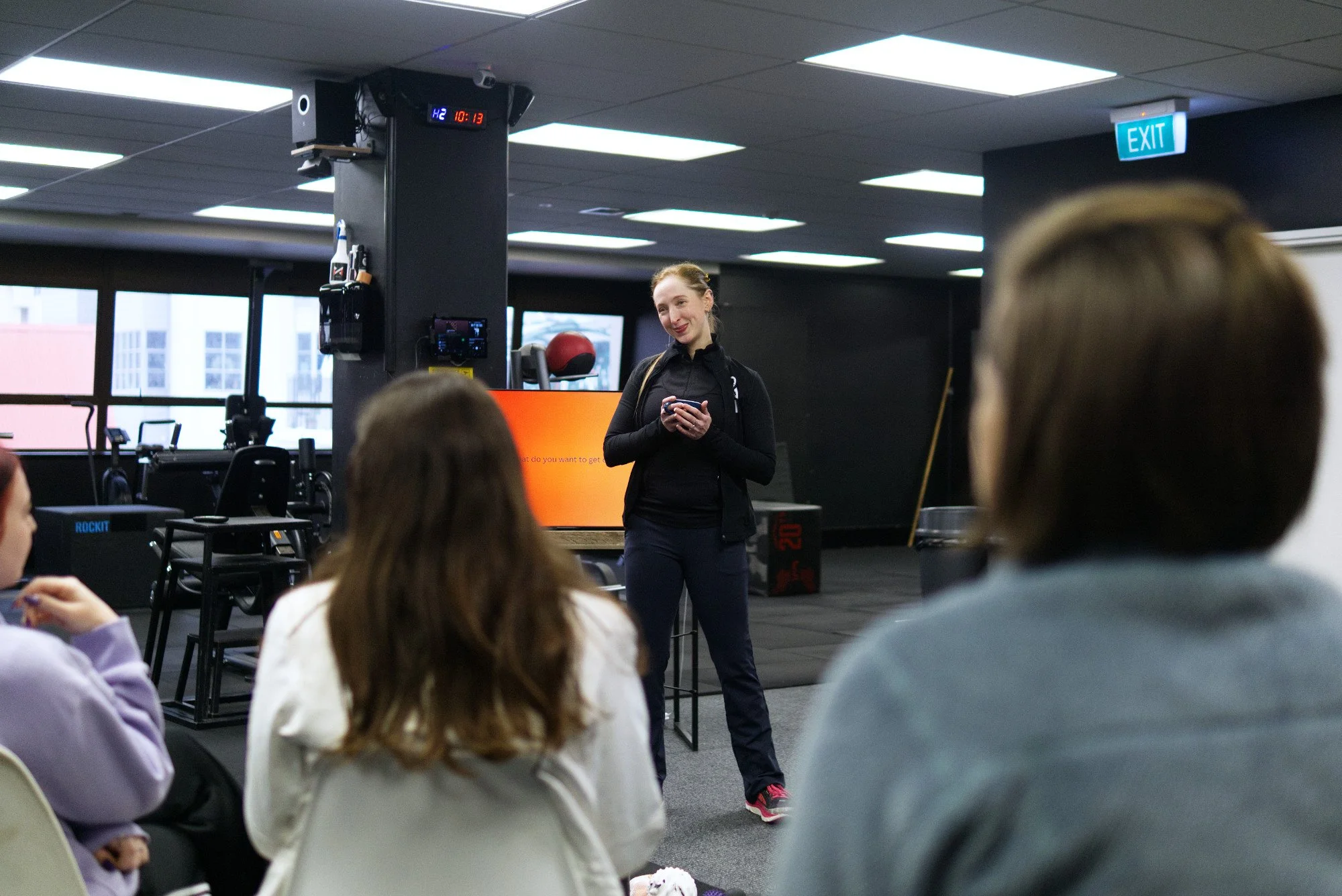
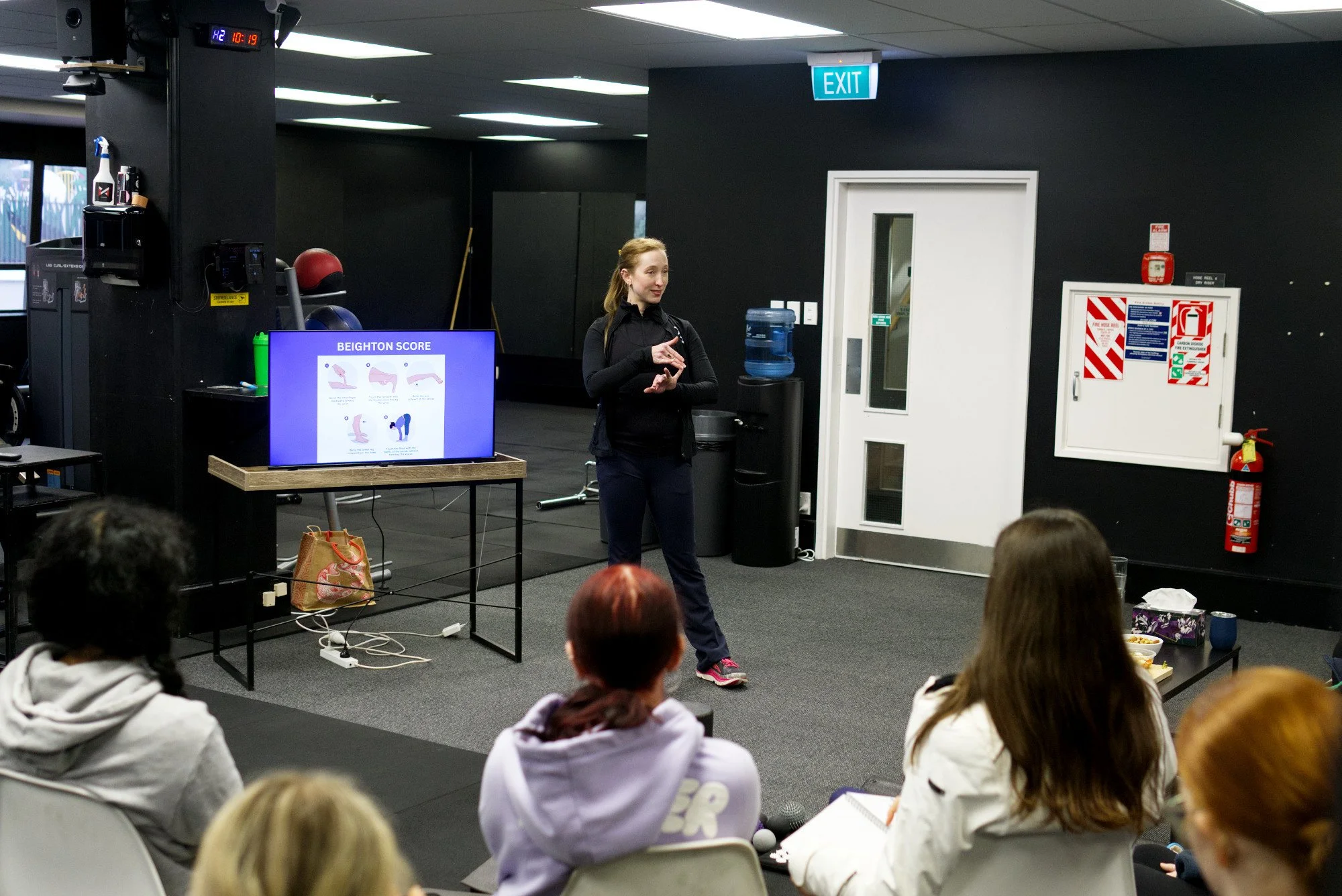
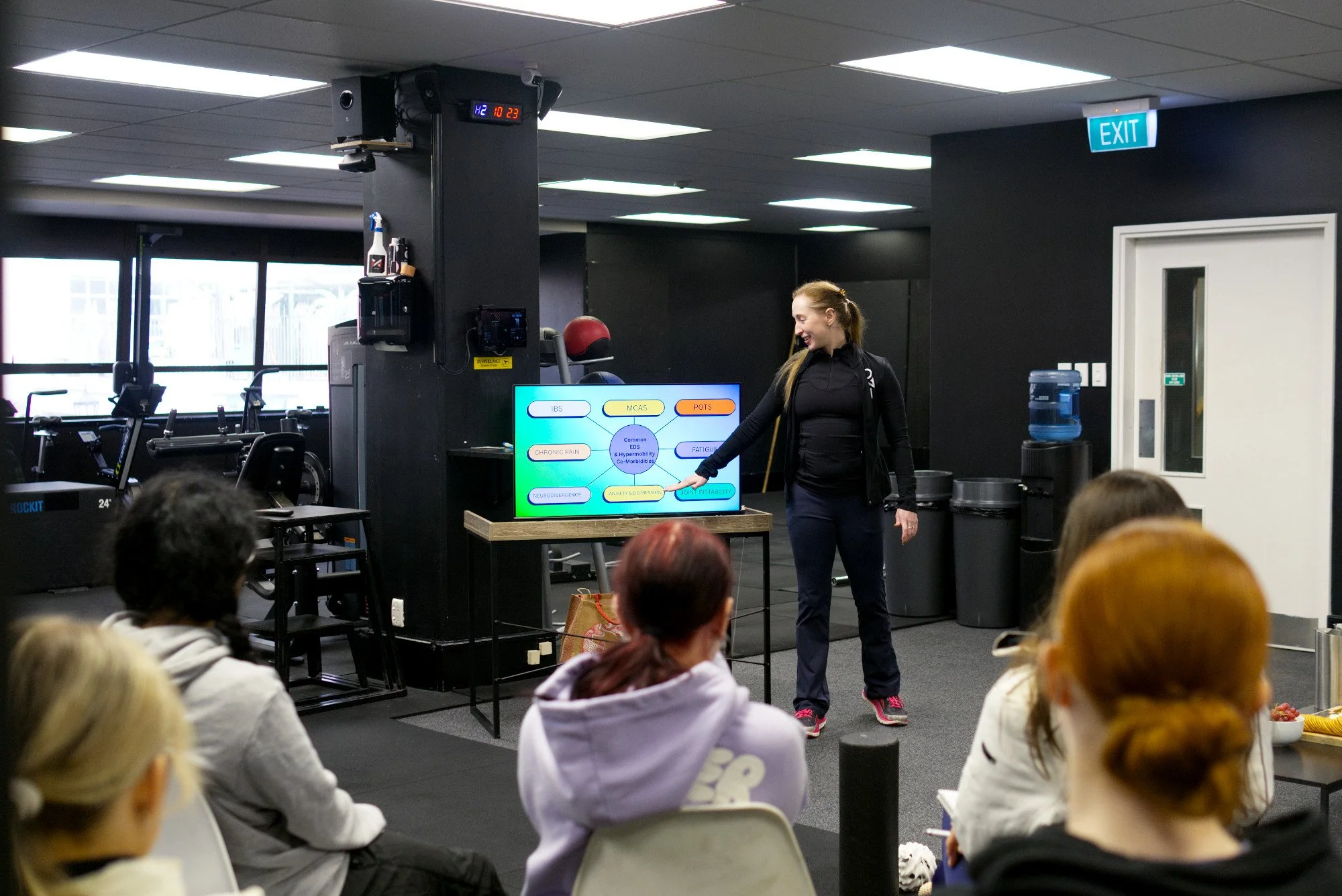
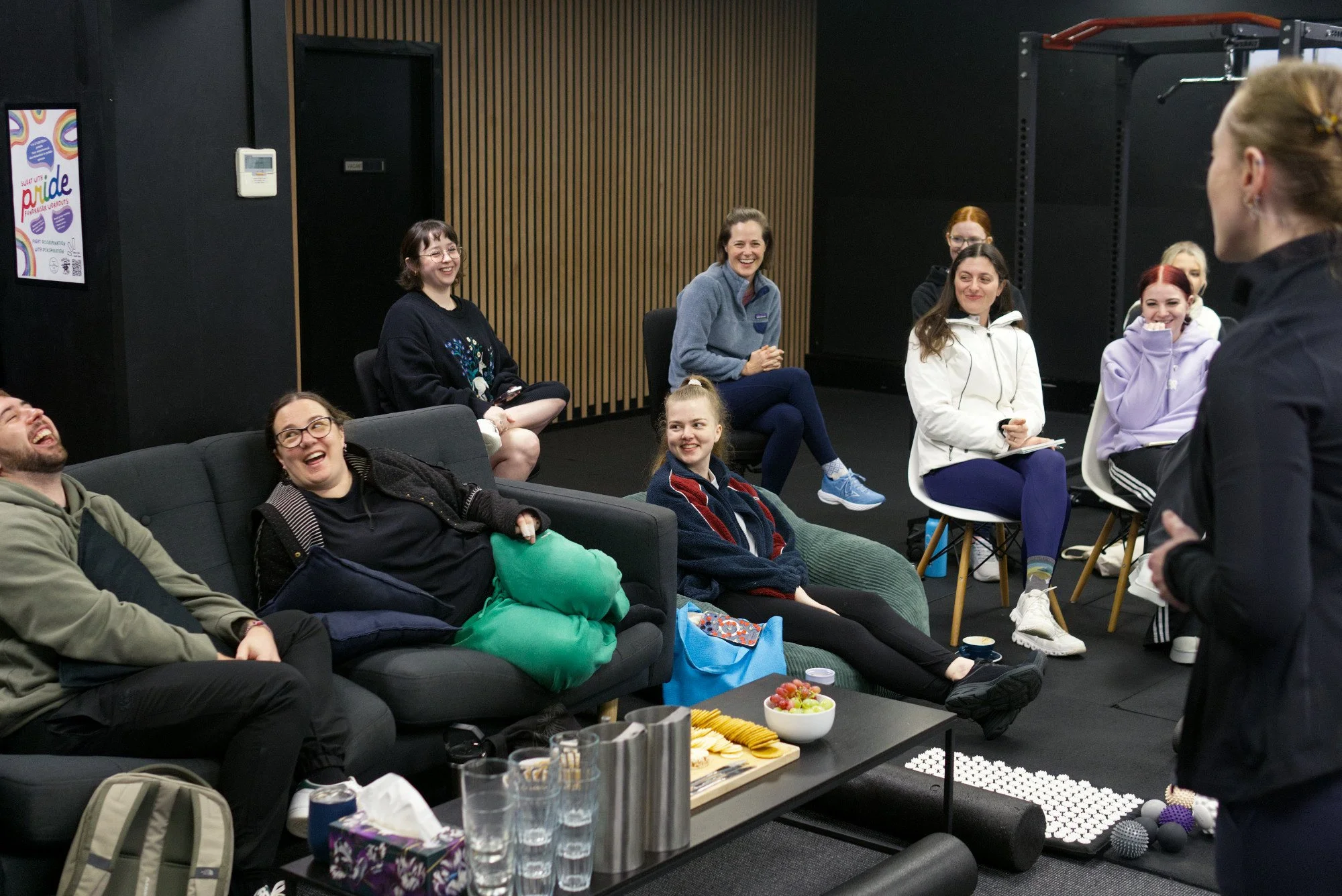
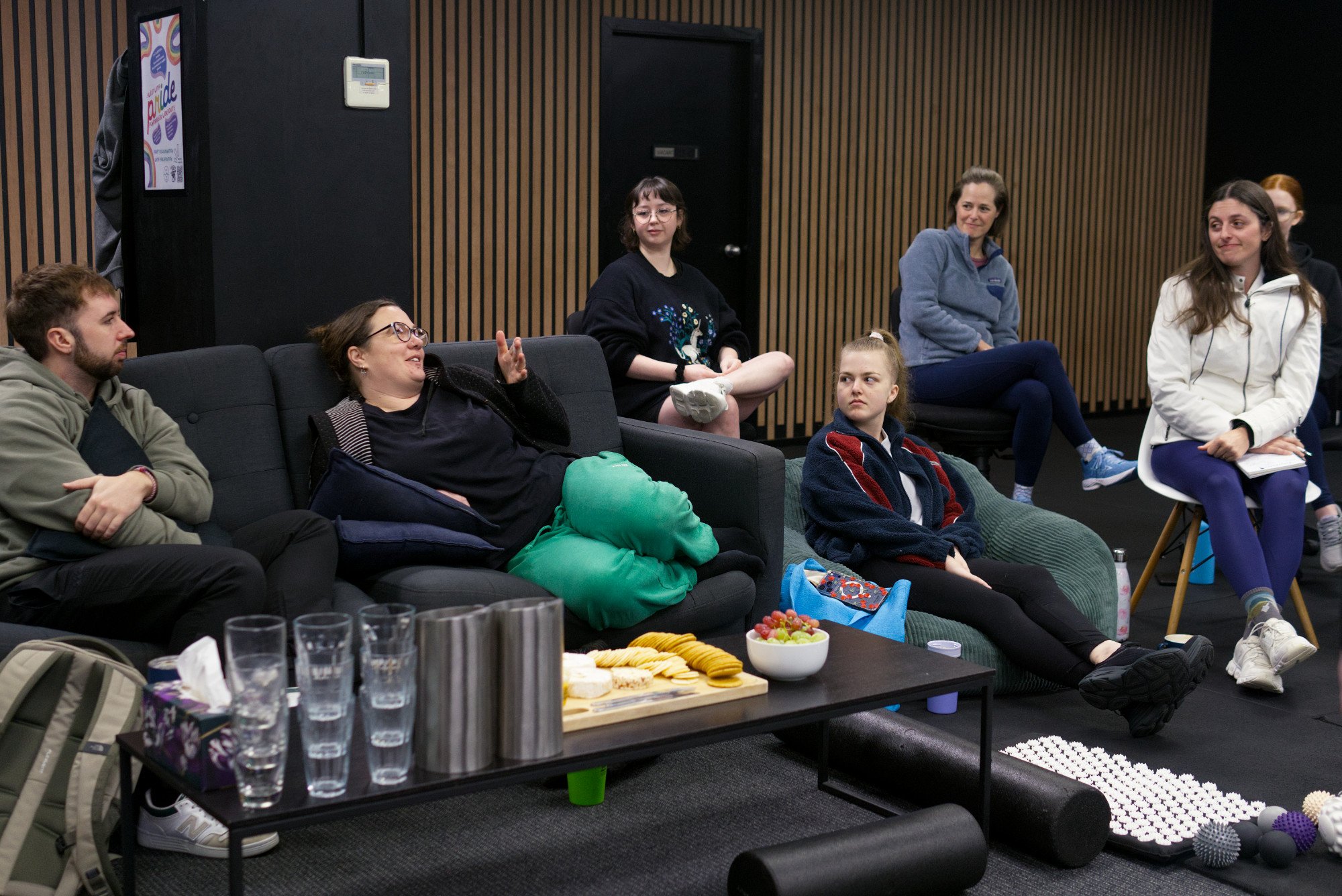
Jhene recently hosted an EDS and Hypermobility workshop at ONI, focused on helping people with hypermobility disorders better understand their bodies and the different symptoms they may experience.
The goal of the workshop was to create a space where people could learn, ask questions, and start connecting the dots between areas that can often feel separate or confusing.
For many people with Ehlers-Danlos Syndrome, Hypermobility Spectrum Disorder, or generalised joint hypermobility, symptoms can show up in lots of different ways, including:
Joint discomfort
Instability
Fatigue
Muscle tightness
Pelvic floor symptoms
Feeling uncoordinated
Not trusting certain movements
One of the biggest highlights of the workshop was seeing people realise that some of these “random” clusters of symptoms may actually have a common thread: hypermobility.
Topics We Covered
During the workshop, we introduced a few important areas that can be especially relevant for people with hypermobility disorders:
Proprioception
Proprioception is your body’s ability to sense where it is in space. For people with hypermobility, this can sometimes be affected, which may make movement feel less stable or less predictable.
Understanding proprioception can help explain why some people feel clumsy, unstable, or unsure of where their joints are during exercise or daily life.
Fascia and Connective Tissue
We also explored fascia and connective tissue, and how these systems can influence how the body feels and moves.
For people with EDS or hypermobility, it can be helpful to understand that the body’s connective tissue plays a role in more than just flexibility. It can affect how supported, stable, or comfortable the body feels during movement.
Pelvic Floor Health
Pelvic floor health was another important topic discussed during the workshop as for many people with hypermobility disorders it can be a relevant part of the bigger picture.
Being able to talk about this openly helps reduce shame and gives people more confidence to seek the right support when needed.
The Main Message:
You Are Not Broken
One of the most important messages from the workshop was that people with hypermobility are not broken.
When symptoms feel confusing, unpredictable, or spread across different areas of the body, it can be easy to feel frustrated or disconnected from your body. But understanding why things may be happening can be incredibly empowering.
The aim is not to “fix” people.
The aim is to help people understand their body better, find practical ways to manage symptoms, and build more confidence with movement.
Practical Support for Hypermobility
For people with EDS, HSD, or hypermobility, exercise and strength training may need to be approached with more thought and care. That does not mean avoiding movement altogether.
It often means finding the right starting point, building gradually, improving control, respecting symptoms, and creating a plan that supports the person in front of us.
At ONI, we regularly work with people who are hypermobile, dealing with pain, returning to exercise, or wanting to build strength in a way that feels safe and sustainable.
Workshops like this are a reminder of how valuable education can be. When people better understand their body, they can make better decisions, advocate for themselves more confidently, and find ways to maintain or improve their quality of life.
A big thank you to everyone who came along, asked questions, and contributed to such a thoughtful discussion. We loved seeing you all there!
If you are based in Wellington and are looking for support with exercise, strength training, or movement confidence with hypermobility, EDS, or HSD, feel free to get in touch with Jhene.
Author: Laurent Pang
ONI can help you with:
Personal Training | Osteopathy | Massage Therapy | Injury Rehab | Nutrition Coaching | Movement Coaching | Classes