
How to Choose a Personal Trainer in Wellington

How to Choose a Personal Trainer in Wellington
If you're searching for a personal trainer in Wellington, you’ll quickly discover there are many options available. From large commercial gyms to small boutique training studios, each offers a slightly different approach to coaching.
Choosing the right trainer can make a significant difference to your progress, whether your goal is building strength, improving mobility, losing weight, or preparing for sport.
In this guide, we’ll walk through the key things to consider when choosing a personal trainer in Wellington so you can find the right fit for your goals, experience level, and training environment.
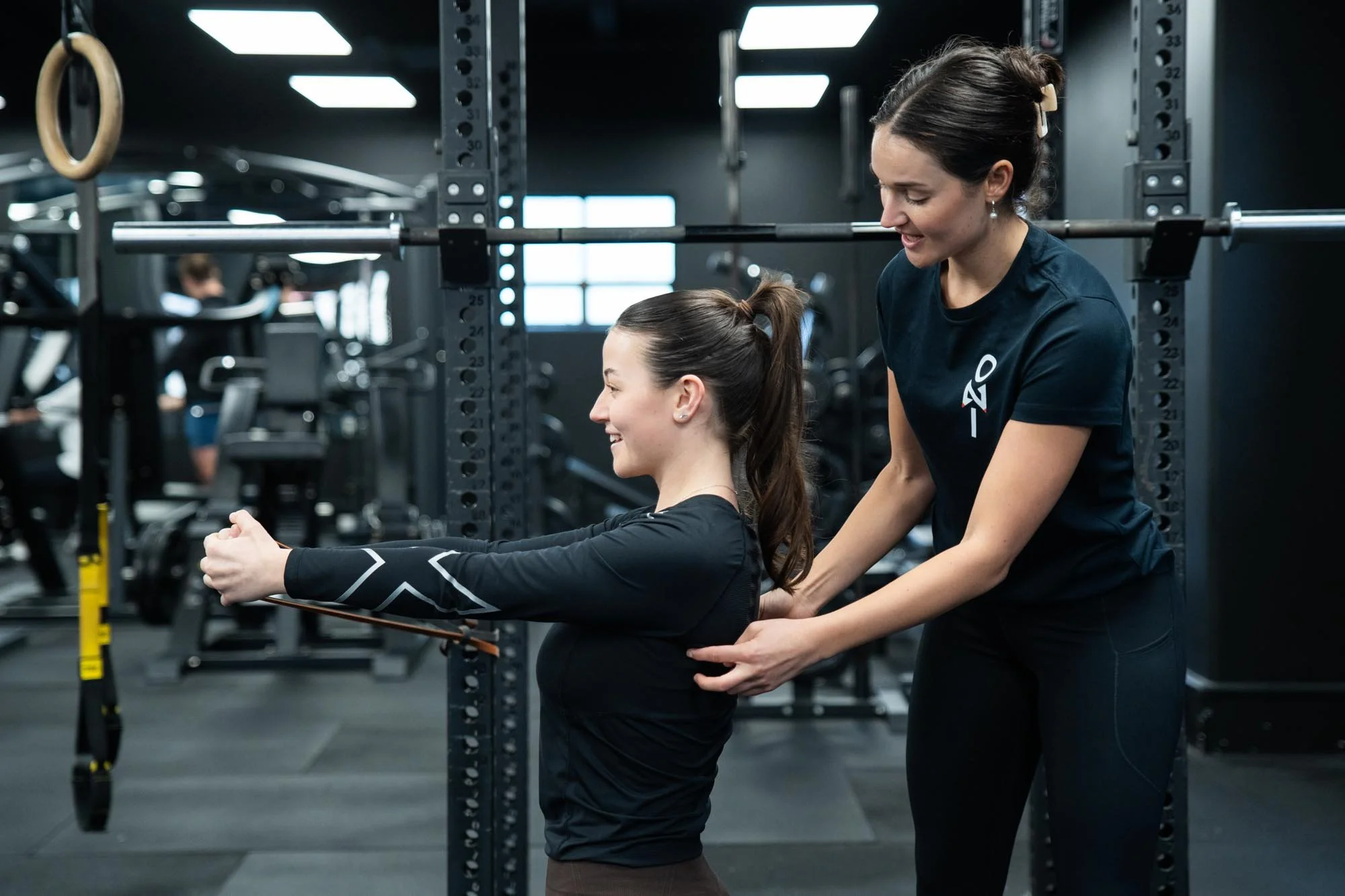
1. Look for experience and proven results
A good personal trainer should have both formal qualifications and real coaching experience.
Most trainers will hold industry certifications, but what matters just as much is their ability to apply that knowledge with real clients.
Ask questions like:
How long have you been coaching?
What types of clients do you usually work with?
What types of clients do you enjoy working with?
Can you share examples of client progress?
The best trainers should be able to show passion and real outcomes.

2. Find a trainer whose approach matches your goals
Different trainers specialise in different areas. Some focus on weight loss and general fitness, while others specialise in areas such as:
Strength training
Rehabilitation and mobility
Athletic performance
Body recomposition
Sport specific conditioning
If your goal is strength training, working with a coach who specialises in strength will usually produce better results than a general fitness approach.
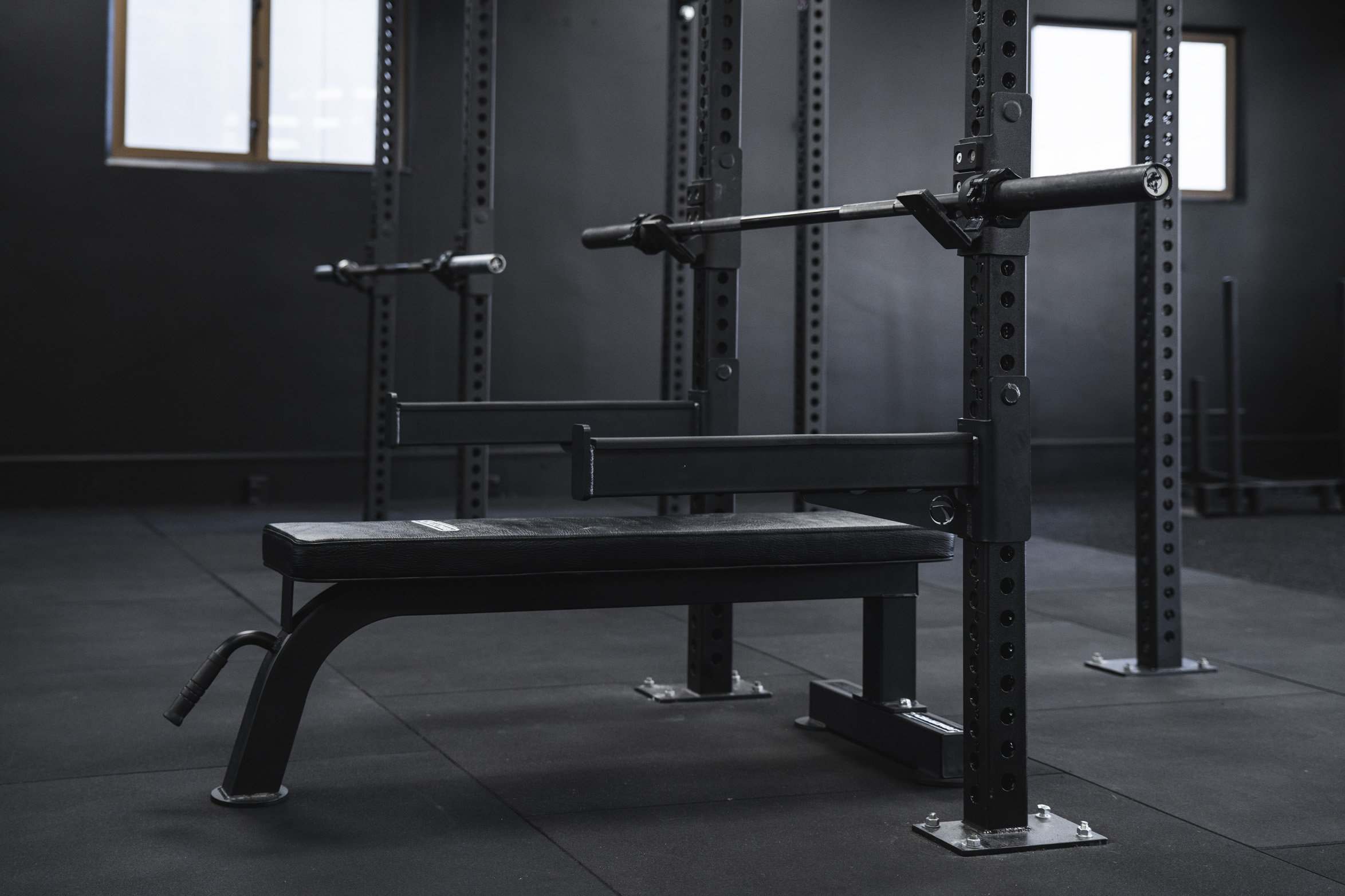
3. Choose a training environment that suits you
The environment you train in can have a big impact on your experience.
Some people thrive in large commercial gyms, while others prefer a smaller, more focused environment where coaching quality can typically be higher and equipment is easier to access (often quieter too).
A good training environment should:
Feel welcoming and supportive
Provide the equipment needed for your goals
Allow the trainer to give you proper attention
Many people prefer smaller strength training gyms or personal training studios because they avoid the crowded atmosphere of large commercial gyms.
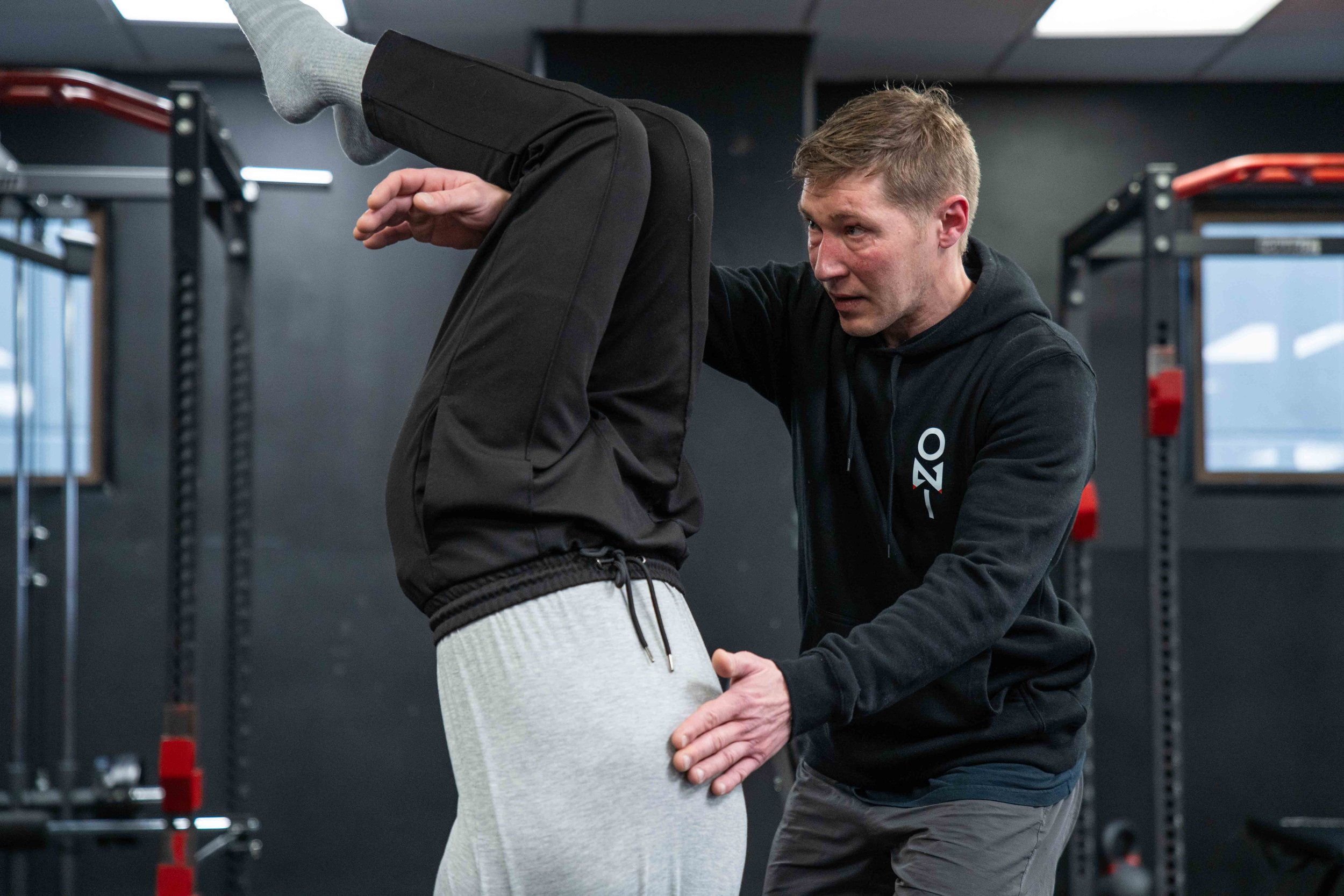
4. Pay attention to coaching style
Every trainer has a different coaching style and approach.
Some are very structured and performance focused, while others emphasise lifestyle habits and long term behaviour change.
The best trainers will:
Listen to your goals
Explain the reasoning behind your training
Adjust your program as you progress
A consultation or introductory session is often the best way to see if the trainer’s coaching style fits you.
5. Make sure the trainer focuses on long term progress
Good coaching isn’t just about a hard workout.
A quality trainer should help you develop:
Good movement technique
Sustainable habits
A clear progression plan
Training should build your independence and fitness capacity over time rather than relying on random workouts.

6. Read reviews and client feedback
Reviews can give useful insight into how trainers work with real clients. Look for feedback that mentions:
Professionalism
Coaching quality and approach
Results
Client experience
Consistent positive feedback is usually a strong indicator of a good trainer.
7. Consider your budget and what’s sustainable
Personal training can be a valuable investment in your health, but it’s important to choose an arrangement that fits your budget and is realistic to maintain over time.
Some clients train with a coach once a week for guidance and programming, while others prefer more frequent sessions for additional support and accountability.
It’s also worth noting that some personal trainers or gyms may require a minimum commitment, such as a set number of sessions per week or a minimum term.
When considering personal training, think about:
How often you would realistically like coaching support
Whether the trainer requires a minimum frequency or commitment
Whether the arrangement fits comfortably within your long term budget
The most effective training plan is usually one that you can maintain consistently over time, rather than something that only works short term.
Frequently Asked Questions About Personal Trainers
-
Personal training prices in Wellington can vary depending on experience and the training environment. On average, personal trainers typically at commercial gyms typically charge around $80-$100 per hour while personal trainers at studio gyms typically charge slightly higher.
The best option is usually the one that fits your goals and budget.
-
Many people start with one or two sessions per week while they build confidence and learn proper technique. Some clients continue with regular coaching while others transition to a combination of coached sessions and independent training (often with a program to follow).
-
For many people, personal training can accelerate progress by providing structured programming, coaching feedback, and accountability.
A good trainer can help you avoid common mistakes, train more effectively, and build habits that support long term progress and independence.
-
Some useful questions include:
What experience do you have with clients like me?
What training approach do you use?
How do you structure long term progress?
What training options are available?
A good trainer should be able to clearly explain how their coaching helps clients progress safely and consistently.
Taking the time to meet with a trainer and ask questions can help you understand their coaching philosophy and whether it’s the right fit for you. Different trainers and gyms often have very different approaches to training.
For example, at ONI in Wellington, our coaching approach focuses on building strength, improving movement quality, and developing long term training habits. Our private training environment doesn’t have any minimum sessions required for personal training and allows clients to train without the distractions of a crowded commercial gym while receiving personalised guidance from experienced coaches.
Author: Laurent Pang
ONI Personal Training | Massage Therapy | Nutrition Coaching | Movement Coaching